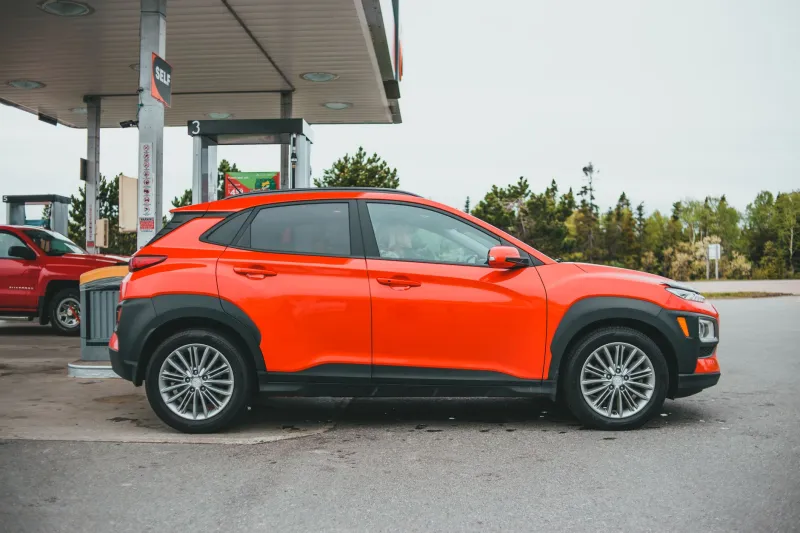
What the Numbers Don't Lie About: A Long-Term Durability Analysis of Hyundai's Most Popular Models
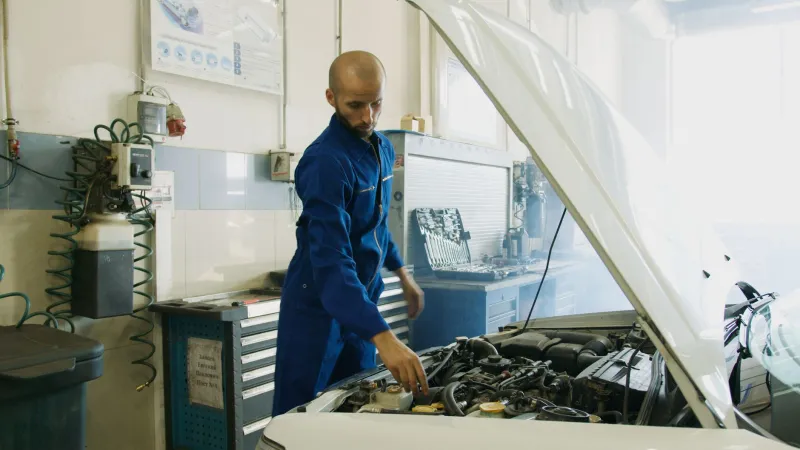
For prospective buyers, manufacturer warranties and promotional materials only tell part of the story. The fuller picture emerges after years of real-world driving — after oil changes, unexpected repairs, and the quiet accumulation of miles on American roads. At Hyundai Ngo Can 5S, we believe our customers deserve that fuller picture. So we turned to owner-reported data, J.D. Power dependability studies, RepairPal reliability scores, and community feedback gathered over the past several years to answer one straightforward question: How well do Hyundai vehicles actually hold up?
The findings are, in many respects, encouraging — and in a few areas, instructive.
The Baseline: How Hyundai Performs Industry-Wide
Hyundai has made a remarkable ascent in reliability rankings over the past decade. As recently as 2015, the brand occupied a middle-tier position in most independent dependability surveys. By 2023 and into 2024, Hyundai consistently ranks among the top half of all automotive brands in J.D. Power's Vehicle Dependability Study, which measures problems per 100 vehicles among owners of three-year-old cars.
RepairPal, which aggregates repair shop data across the United States, gives Hyundai an overall reliability rating of 4.0 out of 5.0 — placing it fourth among 32 brands evaluated. The average annual repair cost for a Hyundai sits around $468, compared to the industry average of $652. That's a meaningful difference for American families managing household budgets.
But averages obscure variation. Not every model performs equally, and understanding which vehicles in Hyundai's lineup deliver the most consistent long-term performance is where the data becomes genuinely useful.
Model-by-Model Breakdown: Who Leads the Pack
Hyundai Elantra
The Elantra is, by nearly every metric, one of Hyundai's most dependable offerings. Owner data compiled across forums, dealership service records, and third-party databases consistently shows low rates of major mechanical failure through the 100,000-mile threshold. The most commonly reported issues involve minor sensor malfunctions and occasional transmission software updates — neither of which tends to be costly. Owners who maintain regular service intervals routinely report trouble-free operation well beyond 150,000 miles.
Hyundai Tucson
The Tucson occupies Hyundai's most competitive segment — the compact SUV market — and its durability record reflects the engineering investment that competition demands. Fifth-generation Tucson owners report high satisfaction with powertrain reliability. The primary recurring concern noted in owner communities involves the infotainment system's responsiveness, a software rather than mechanical issue that Hyundai has addressed through over-the-air updates in more recent model years.
Hyundai Santa Fe
As Hyundai's mid-size SUV flagship, the Santa Fe carries higher mileage expectations from families using it as a primary vehicle. Long-term owner data — particularly from 2018 through 2021 model years — shows competitive reliability against rivals like the Ford Edge and Toyota Venza. Owners should anticipate brake component replacements around the 60,000-mile mark, which is consistent with the segment average. Powertrain longevity is a genuine strength here.
Hyundai Sonata
The Sonata's reliability story is somewhat nuanced. Earlier model years (2011–2014) drew scrutiny due to engine-related issues that led to notable recalls. Hyundai responded with extended warranty coverage and substantial engineering revisions. Post-2015 Sonatas, and particularly those from 2020 onward, show significantly improved long-term performance metrics. Current owners of the 2020–2024 Sonata report far fewer powertrain concerns, suggesting the corrective measures were effective.
Maintenance Costs: What to Budget Over Five Years
Ownership costs extend beyond the purchase price, and Hyundai's standing in this area is one of its less-publicized competitive advantages. Based on aggregated owner data:
- Years 1–3: Routine maintenance dominates. Oil changes, tire rotations, and air filter replacements account for the vast majority of service visits. Out-of-pocket costs during this window are minimal for most owners, particularly those utilizing Hyundai's complimentary maintenance program.
- Years 3–5: Brake pads, battery replacements, and cabin air filters become relevant. Total expenditure in this window typically ranges from $800 to $1,400 depending on driving habits and geography — lower than comparable Toyota and Honda models in most third-party analyses.
- Years 5–8: Owners entering this range report the widest variance. Well-maintained vehicles continue performing reliably. Those with inconsistent service histories show higher rates of coolant system and suspension-related repairs.
How Hyundai Compares to Key Competitors
Fair assessment requires context. Against Toyota and Honda — the traditional reliability benchmarks in the American market — Hyundai trails slightly in long-term owner satisfaction scores but has narrowed the gap substantially. Against Ford, Chevrolet, and Volkswagen, Hyundai's data-supported reliability advantage is more pronounced.
Perhaps most importantly, Hyundai's 10-year/100,000-mile powertrain warranty provides a financial safety net that few competitors can match. For owners who keep vehicles long-term, this warranty functions as a meaningful form of cost protection that doesn't show up in repair cost averages but absolutely affects total ownership expense.
What Owners Should Take Away
The data supports a clear conclusion: Hyundai vehicles, when properly maintained, deliver durable, cost-competitive performance across the majority of their lineup. The brand is not infallible — no manufacturer is — but the trajectory of improvement is well-documented and the current generation of Hyundai models reflects meaningful engineering maturity.
For owners at Hyundai Ngo Can 5S, the practical advice is consistent: adhere to factory-recommended service intervals, address software updates promptly, and don't defer minor repairs. Vehicles that receive attentive care reliably reach and surpass the 150,000-mile mark.
The numbers, when examined honestly, make a compelling case. Hyundai's reliability story is no longer one of potential — it's one of demonstrated performance.