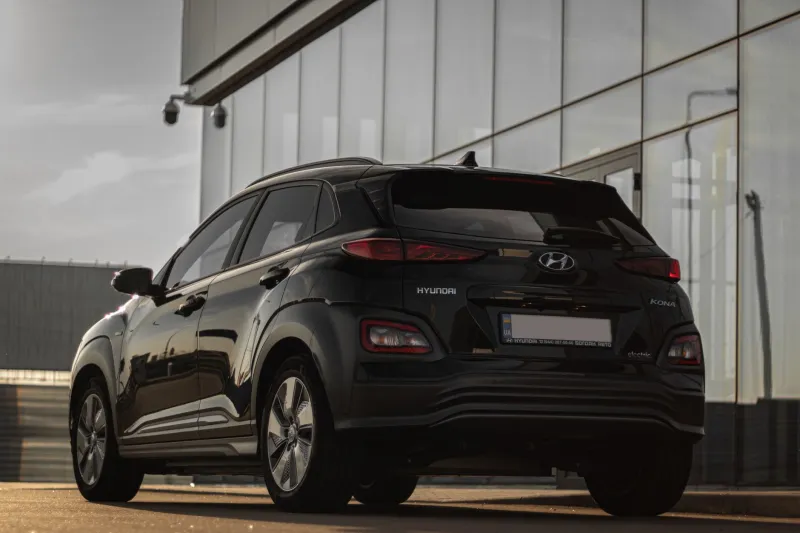
Road-Ready and Personalized: How Hyundai Owners Across America Are Gearing Up for Summer Travel
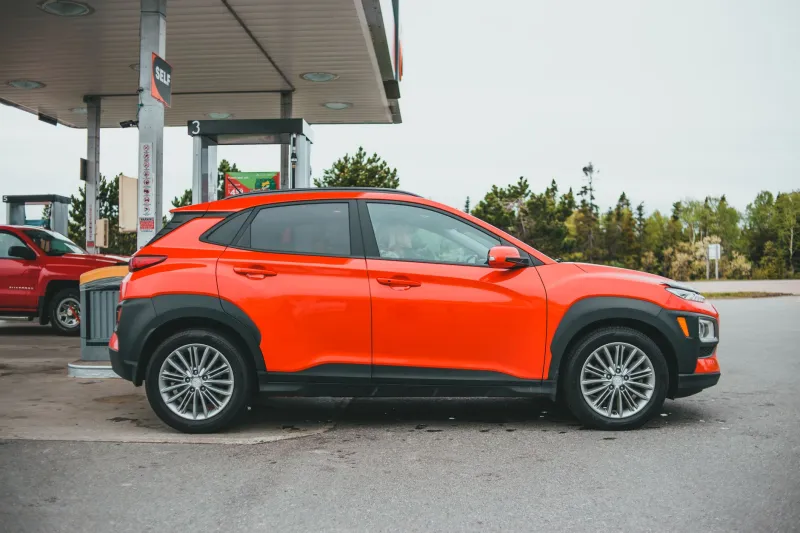
There is something uniquely American about the summer road trip. Whether it is a family caravan through the national parks of the Southwest or a solo drive up the Pacific Coast Highway, millions of drivers begin planning their journeys well before the temperatures climb. For a growing number of those travelers, the vehicle of choice is a Hyundai — and many of them are not content to simply fill the tank and go.
Across online forums, local Hyundai owner groups, and conversations at dealerships, a clear trend has emerged: drivers are investing thoughtfully in their vehicles before extended travel season begins. The modifications range from practical to comfort-driven, and the best of them strike a balance between personalization and preserving the manufacturer warranty.
Pre-Trip Preparation: The Foundation of Every Good Journey
Before any accessory is bolted on or any interior piece is swapped out, experienced owners consistently emphasize the importance of a thorough pre-trip service visit. Rashida M., a Tucson Sport owner from Phoenix, Arizona, describes her annual ritual as non-negotiable.
"I bring my Tucson in for a full inspection every spring before we head to Colorado," she explains. "Tires, brakes, fluids — the whole checklist. It is not glamorous, but it is what keeps us safe when we are two hours from the nearest service center."
Hyundai's recommended maintenance intervals exist for good reason, and the miles accumulated during a cross-country trip can accelerate wear that might otherwise go unnoticed. Certified Hyundai technicians recommend verifying tire tread depth and pressure, inspecting brake pad thickness, flushing coolant if it has not been done recently, and confirming that the battery meets cold-cranking amp requirements — particularly relevant for owners heading into mountainous terrain.
For those driving newer models equipped with Hyundai's Blue Link connected services, the system can provide real-time diagnostics and send alerts if something requires attention mid-journey. This kind of built-in technology is one reason many owners feel confident venturing far from home.
Cargo and Storage Solutions That Work With Your Hyundai
One of the most common complaints among road-tripping families is running out of storage space. Hyundai's lineup — from the compact Kona to the three-row Palisade — offers generous cargo areas, but extended trips have a way of filling every available inch.
Roof rack systems compatible with Hyundai crossovers have surged in popularity, with brands like Thule and Yakima offering model-specific fitment options. These systems allow owners to mount cargo boxes, bike carriers, or even kayak cradles without drilling into the vehicle's body — an important consideration for those concerned about warranty implications.
Mark T., a Santa Fe owner from Nashville, Tennessee, invested in a Thule Motion XT rooftop cargo box last year before a two-week camping trip through the Great Smoky Mountains.
"We gained what felt like a whole extra room in the car," he says. "The kids had legroom again, and my wife and I were not constantly digging through bags to find sunscreen."
For owners who prefer to keep storage internal, cargo organizers, trunk dividers, and collapsible storage bins designed specifically for Hyundai dimensions are widely available through both the Hyundai accessories catalog and third-party retailers. Purchasing through the official Hyundai accessories program has an added benefit: many of these items are covered under the vehicle's limited warranty when installed by a dealership.
Comfort Upgrades for the Long Haul
Beyond storage, interior comfort becomes a priority when hours on the highway stretch into days. Seat cushion inserts, lumbar support additions, and all-weather floor mats are among the most frequently cited upgrades in owner communities.
Hyundai's genuine all-weather floor liners, available for models including the Elantra, Sonata, Tucson, and Palisade, are a perennial recommendation. They protect the factory carpeting from mud, sand, and spilled coffee — hazards that are practically unavoidable on a road trip — while fitting precisely to the vehicle's interior contours.
For families with young children, window shades and rear-seat entertainment solutions round out the comfort picture. Portable tablet mounts designed to attach to Hyundai's front seat headrests have become a staple recommendation in owner forums, offering a screen solution that does not interfere with the vehicle's existing technology stack.
Technology Add-Ons That Complement Hyundai's Existing Features
Modern Hyundai vehicles arrive from the factory with an impressive suite of technology, including available wireless Apple CarPlay and Android Auto, a robust suite of driver-assistance features under the Hyundai SmartSense banner, and available head-up displays. Still, some owners find room to layer in additional technology for travel.
Dashcams have become particularly popular, with many owners citing both security and the practical benefit of capturing scenic footage. Models that draw power from the vehicle's OBD-II port or a dedicated power source — rather than blocking USB inputs needed for phone connectivity — are generally preferred.
Portable tire inflators, jump starters with USB charging capability, and 12-volt power inverters round out the practical technology additions that experienced road-trippers recommend. These items occupy minimal space but provide meaningful peace of mind when driving through areas with limited roadside assistance coverage.
Keeping Customization Warranty-Smart
Perhaps the most important consideration for any Hyundai owner pursuing vehicle modifications is the potential impact on warranty coverage. The Magnuson-Moss Warranty Act provides some protection for consumers, but the practical guidance from Hyundai service advisors is straightforward: when possible, choose accessories sourced through the official Hyundai Accessories program, and have modifications performed by authorized technicians.
For aftermarket items purchased elsewhere, the key question is whether the modification could reasonably cause or contribute to a failure in a covered system. A rooftop cargo box, for example, is unlikely to affect powertrain coverage. A non-approved performance tune to the engine management system is an entirely different matter.
When in doubt, a brief conversation with a service advisor at your local Hyundai dealership before purchasing any modification can save significant headaches later.
The Community Makes the Journey
What strikes a visitor to Hyundai owner forums and social media groups is not just the volume of modification advice being shared — it is the genuine enthusiasm behind it. Owners are proud of their vehicles and eager to help fellow drivers get the most out of them.
For those preparing for their first extended road trip in a Hyundai, the collective wisdom of that community is an invaluable resource. Combine it with a pre-trip service appointment, a thoughtfully chosen set of accessories, and a route mapped through some of America's most breathtaking landscapes, and the stage is set for a journey worth remembering.