Smarter Coverage, Lower Bills: How Hyundai's Built-In Features Can Cut Your Insurance Costs
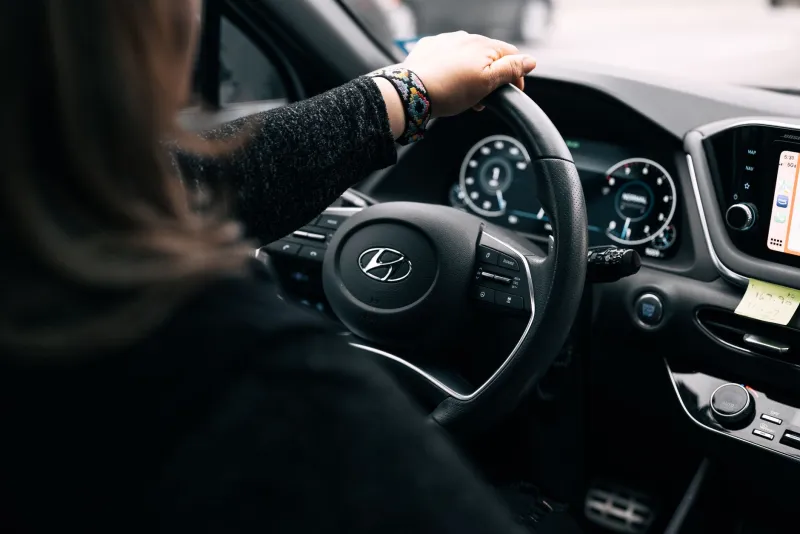
Purchasing a Hyundai is often celebrated for its combination of value, reliability, and increasingly sophisticated technology. What many owners overlook, however, is that those same qualities can translate directly into measurable savings on their auto insurance premiums. From forward-collision warning systems to immobilizers and driver-assistance packages, the equipment bundled into modern Hyundai vehicles carries real weight with insurance underwriters across the United States.
Understanding how insurers evaluate your car — and how to communicate your Hyundai's capabilities effectively — can be the difference between an average rate and a genuinely competitive one.
How Insurance Companies Actually Price Your Policy
Before diving into Hyundai-specific advantages, it helps to understand the framework insurers use. Auto insurance premiums are calculated using a combination of driver history, geographic location, vehicle make and model, and the statistical likelihood of a claim being filed. That last factor is where your Hyundai's engineering can work in your favor.
Insurers rely heavily on data from the Insurance Institute for Highway Safety (IIHS) and the National Highway Traffic Safety Administration (NHTSA). Vehicles that earn top scores from these organizations — particularly the coveted IIHS Top Safety Pick+ designation — are statistically less likely to result in severe injury claims. Lower claim severity means lower risk for the insurer, and that reduced risk is often passed along to the policyholder.
Hyundai has been particularly aggressive in pursuing high safety ratings across its lineup. Models such as the Tucson, Santa Fe, Elantra, and Ioniq 6 have each received strong marks from both the IIHS and NHTSA in recent model years, making them attractive to underwriters who reward safety-forward vehicles with more favorable base rates.
The Safety Tech That Actually Moves the Needle
Not all vehicle features are treated equally by insurance companies. Some technologies have a more direct impact on premium calculations than others. Here is where Hyundai's standard and available equipment tends to carry the most weight:
Hyundai SmartSense — Hyundai's suite of driver-assistance technologies, which includes Forward Collision-Avoidance Assist, Lane Keeping Assist, and Driver Attention Warning, has become standard on a growing number of trims. Insurers that track claims data have observed measurable reductions in rear-end and lane-departure incidents among vehicles equipped with these systems, and some carriers now offer explicit discounts for vehicles that include automatic emergency braking as standard equipment.
Blind-Spot Collision Warning — Side-impact and lane-change accidents are among the more expensive claims insurers process. Vehicles equipped with blind-spot monitoring and rear cross-traffic alerts have demonstrated lower rates of these incidents, and several major carriers — including State Farm, Progressive, and Allstate — factor the presence of these systems into their pricing models.
Rear Occupant Alert — While not a direct crash-prevention tool, this feature speaks to Hyundai's overall commitment to safety engineering, which underwriters note when categorizing a vehicle's risk profile.
The Theft Problem and How Hyundai Has Responded
It would be incomplete to discuss Hyundai insurance costs without addressing the vehicle theft issue that affected certain older models. Beginning around 2021, a social media trend exposed a vulnerability in some Hyundai and Kia vehicles manufactured without engine immobilizers, leading to a sharp spike in theft claims in several U.S. cities. The fallout was significant: some insurance carriers in markets like St. Louis, Denver, and parts of California either raised premiums on affected models or declined to offer comprehensive coverage altogether.
Hyundai responded by rolling out a free software update for eligible vehicles that activates an anti-theft logic lock, and newer model years have been produced with immobilizer systems as standard equipment. If you own a 2022 or older Hyundai that was affected, confirming that your vehicle has received this update — and documenting it with your insurer — could restore your eligibility for standard comprehensive rates. Some carriers have already begun adjusting their pricing for owners who can verify the update has been applied.
For owners of 2023 and 2024 model year vehicles, the immobilizer is factory-installed, and this should be communicated explicitly to your agent when obtaining quotes.
Which Hyundai Models Tend to Earn the Best Insurance Rates
While individual premiums vary based on driver profile and location, certain Hyundai models have developed a favorable insurance track record based on their safety scores and claim histories:
- Hyundai Tucson — Consistent IIHS Top Safety Pick recognition, standard SmartSense on most trims, and moderate repair costs make this one of the more insurance-friendly options in the lineup.
- Hyundai Elantra — As a compact sedan, the Elantra benefits from lower base rates typical of the segment, and its strong crash-test performance keeps claim costs manageable for insurers.
- Hyundai Ioniq 6 — Electric vehicles often carry higher sticker prices, which can elevate collision premiums. However, the Ioniq 6's exceptional NHTSA scores and advanced driver-assistance suite help offset this, and some carriers offer specific EV discounts.
- Hyundai Santa Fe — The three-row family SUV earns solid marks from safety agencies and tends to attract lower-risk driver demographics, both of which contribute to competitive rates.
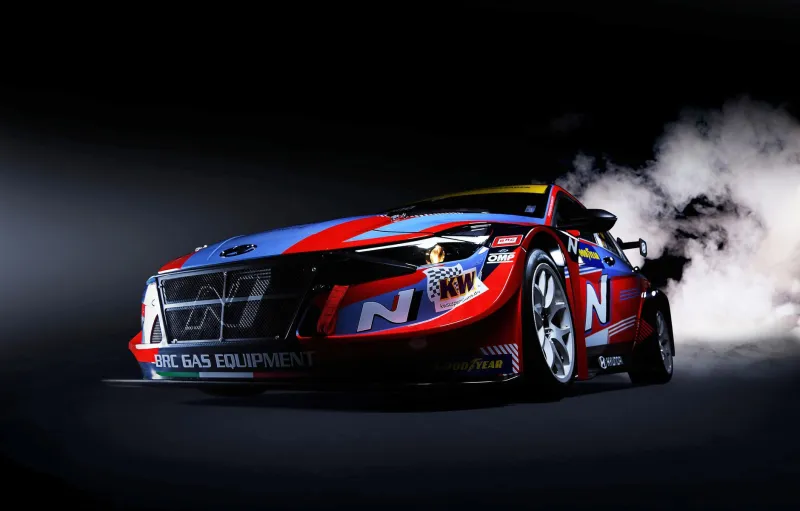
Higher-performance variants, such as the Elantra N or Sonata N Line, typically carry elevated premiums due to their performance tuning and the driver profiles they attract — something worth factoring into a purchase decision.
Practical Steps to Maximize Your Insurance Savings
Knowing that your Hyundai qualifies for discounts is only half the equation. You have to actively pursue those savings.
Request an itemized discount review. When speaking with your agent or using an online quote tool, ask specifically about discounts tied to automatic emergency braking, anti-theft systems, and safety ratings. Not all carriers apply these automatically — some require the policyholder to flag the relevant features.
Provide documentation. Your vehicle's window sticker or Monroney label lists every installed safety feature. Having this on hand when shopping for coverage ensures that nothing is overlooked during the quoting process.
Compare across multiple carriers. Insurers weigh vehicle features differently. A carrier that heavily discounts advanced driver-assistance systems may offer a meaningfully lower premium than one that focuses primarily on driver history. Independent comparison platforms such as The Zebra or Insurify allow side-by-side rate checks that account for vehicle-specific data.
Bundle strategically. Many owners find that bundling auto and homeowners or renters insurance with the same carrier produces savings that exceed any vehicle-specific discount. This is worth evaluating in parallel with your Hyundai-specific research.
Revisit your policy after updates. If you've had the Hyundai anti-theft software update applied or recently added safety features through an authorized dealer, contact your insurer to ensure your file reflects the change.
The Bigger Picture
Insurance is one of the most significant ongoing costs of vehicle ownership, yet it's one that many drivers treat as fixed and non-negotiable. The reality is that Hyundai's investment in safety technology and its response to the theft vulnerability have created genuine leverage for informed owners. Taking the time to understand what your vehicle brings to the table — and communicating that clearly to your insurer — is among the most straightforward ways to lower your total cost of ownership without changing anything about how you drive.
At Hyundai Ngo Can 5S, we believe that being a well-informed Hyundai owner extends well beyond the dealership lot. The decisions you make about coverage, documentation, and carrier selection are just as important as the model you choose. Your Hyundai was built with your safety in mind — make sure your insurance policy reflects that.