2025 vs. Last Year's Lot: A Practical Guide to Hyundai's Latest Lineup Changes
Every autumn, dealership lots begin cycling in fresh inventory, and automakers release a wave of press materials celebrating the newest versions of their vehicles. Hyundai's 2025 lineup is no exception. The Korean brand — now firmly established as one of the most competitive in the American market — has introduced a range of updates across its portfolio. Some of those changes are genuinely meaningful. Others are cosmetic refinements dressed in technical language.
For buyers currently weighing their options at Hyundai Ngo Can 5S, the real question is straightforward: do the 2025 changes justify paying a premium over remaining 2024 inventory, or does last year's stock offer comparable ownership value at a lower price point? The answer depends heavily on which model you're considering — and which category of improvement matters most to your daily life.
Where the 2025 Updates Are Most Substantive
Tucson and Santa Fe: Driver Assistance Gets Smarter
For buyers in the crossover segment — which continues to dominate American purchasing patterns — the 2025 Tucson and Santa Fe receive the most meaningful technology upgrades. Both models see expanded standard availability of Hyundai's Highway Driving Assist 2 (HDA 2), a lane-centering and adaptive cruise system that was previously reserved for higher trim levels.
This matters in practical terms. HDA 2 provides a noticeably more confident experience on long interstate stretches than its predecessor, managing lane positioning with greater precision and responding more smoothly to traffic flow changes. For families making regular highway trips — say, the I-95 corridor, cross-Texas drives, or Pacific Coast highway runs — this isn't a minor checkbox feature. It's a daily-use improvement.
The Santa Fe also introduces an updated version of Hyundai's Blind-Spot Collision-Avoidance Assist, which now intervenes more assertively when it detects a potential lane-change conflict. Given that blind-spot-related incidents remain one of the more common causes of highway accidents in the U.S., this refinement carries real safety weight.
Ioniq 6: Range and Charging Refinements
The Ioniq 6, Hyundai's sleek electric sedan, receives battery management software updates in 2025 that improve charging efficiency and thermal management in colder climates. For EV buyers in northern states — Minnesota, Michigan, upstate New York — this is a more consequential update than it might appear on a spec sheet. Cold-weather range degradation has been a persistent concern among American EV adopters, and any improvement to thermal performance directly addresses real-world ownership anxiety.
The 2025 Ioniq 6 also gains revised regenerative braking tuning, offering drivers more granular control over energy recovery. This is the kind of refinement that experienced EV drivers notice and appreciate, even if it rarely makes headlines.
Sonata: Interior Quality Elevation
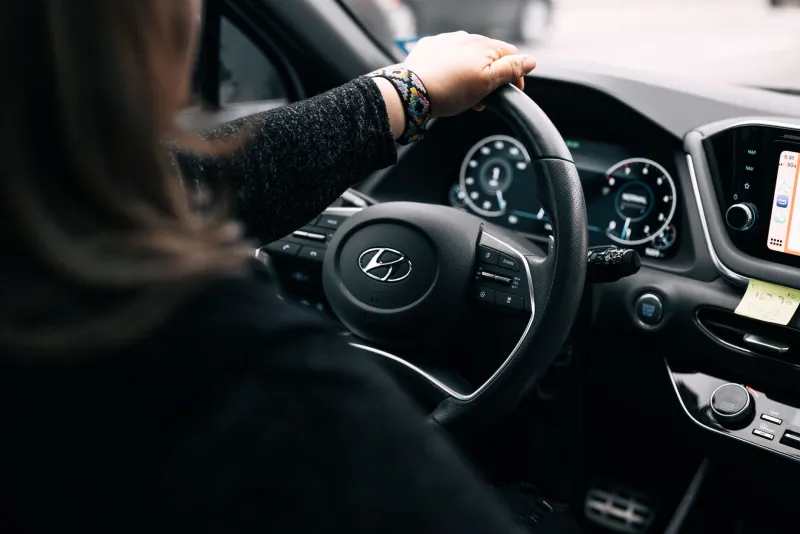
Hyundai's flagship sedan gets a meaningful interior refresh for 2025, with upgraded soft-touch materials across the dashboard and door panels, and a revised center console layout that reduces visual clutter. The 12.3-inch dual-screen display — combining the instrument cluster and infotainment into a single curved panel — becomes standard on more trim levels than before.
For buyers who spend significant time commuting in their Sonata, these aren't trivial improvements. The tactile quality of materials and the ergonomic logic of a well-organized center console affect daily comfort in ways that don't diminish over time.
Where the Changes Are Mostly Cosmetic
Not every 2025 update deserves elevated priority in your purchase decision. Several models receive primarily visual refreshes — new exterior color options, revised grille treatments, and updated wheel designs — that are unlikely to affect ownership satisfaction in any meaningful way.
The Elantra, for instance, receives a new exterior palette and minor trim-level restructuring in 2025, but its powertrain, chassis, and core technology suite remain largely unchanged from 2024. If you find a well-priced 2024 Elantra on the lot, the 2025 version offers little functional reason to pay a premium.
Similarly, the Venue — Hyundai's entry-level subcompact crossover — sees modest updates in available color combinations and a slight infotainment interface refresh, but buyers seeking maximum value per dollar would find 2024 Venue inventory a perfectly sensible alternative.
The Inventory Math: When Last Year's Model Wins
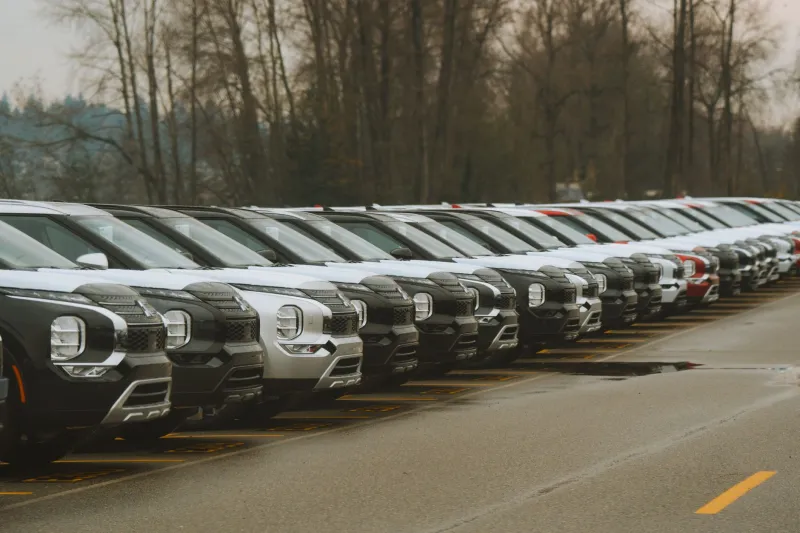
American dealerships typically carry remaining prior-year inventory at competitive discounts as new model years arrive. For buyers whose priorities don't align with the specific 2025 upgrades, this creates genuine opportunity.
If you're purchasing a Tucson primarily for daily urban commuting and have limited highway driving in your routine, the expanded standard availability of HDA 2 in the 2025 model may not justify a price differential. A 2024 Tucson with a comparable trim level could represent equivalent real-world value at a lower purchase price.
Conversely, if you're a Sonata buyer who spends hours each week in the driver's seat and places high value on interior refinement, the 2025 interior improvements may be worth the incremental cost — particularly if your previous vehicle had a notably lower-quality cabin feel.
The key is resisting the reflexive assumption that newer always means better value. Model year updates exist on a spectrum, and informed buyers benefit from evaluating changes against their specific usage patterns.
Technology Continuity: What Carries Across Both Years
It's worth noting that Hyundai's core technology architecture — BlueLink connected services, the standard suite of forward collision avoidance features, and the brand's warranty structure — remains consistent across both model years. Buyers concerned about long-term connectivity, remote start functionality, or the security of Hyundai's five-year/60,000-mile powertrain coverage will find no meaningful difference between 2024 and 2025 on those fronts.
This continuity is actually a point in favor of prior-year inventory for value-conscious buyers. The foundational ownership experience — warranty protection, connected features, and core safety systems — doesn't depreciate with the model year.
Making the Right Call for Your Situation
The 2025 Hyundai lineup delivers genuine improvements in specific, targeted areas: driver assistance technology in the Tucson and Santa Fe, cold-weather EV performance in the Ioniq 6, and interior quality in the Sonata. These are substantive changes with direct relevance to real-world ownership.
For models where 2025 updates are primarily aesthetic, or where your driving patterns don't intersect with the upgraded features, remaining 2024 inventory may represent a more pragmatic choice — particularly as dealers work to move that stock.
At Hyundai Ngo Can 5S, our team is available to walk through both model year options side by side, matching the specific 2025 improvements to your actual driving habits and priorities. The goal isn't to sell you the newest vehicle on the lot — it's to help you leave with the right one.