Tires by Season, Savings by Design: The Hyundai Owner's Complete Roadmap to Smarter Tire Management
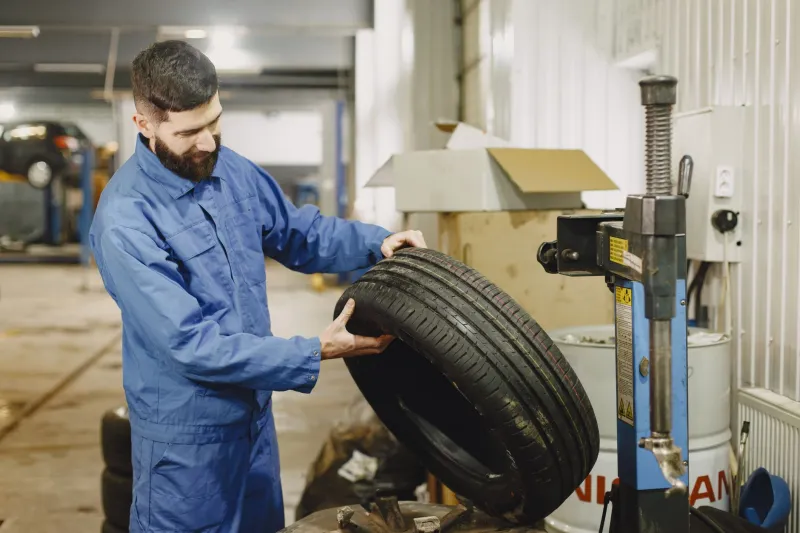
For most Hyundai owners across the United States, tires occupy an odd place in the ownership conversation — universally important, yet routinely underplanned. People spend considerable energy researching the right model, negotiating their financing, and scheduling oil changes with precision, but then leave tire decisions to chance until the first frost catches them off guard. That gap between intention and action has real financial consequences, and closing it is simpler than most people expect.
This guide is built for Hyundai drivers who want to approach seasonal tire management the way they approach the rest of their ownership experience: thoughtfully, efficiently, and with a clear understanding of where their money is actually going.
Why Timing Is the Core Variable
The question most drivers ask is which tires to buy. The more consequential question is when to make the switch — and the answer varies significantly depending on where you live.
A general industry guideline suggests transitioning to winter tires when ambient temperatures consistently drop below 45 degrees Fahrenheit. At that threshold, the rubber compound in all-season tires begins to harden, reducing traction and responsiveness in ways that are difficult to perceive until you actually need emergency stopping power. Winter tires, by contrast, are formulated to remain pliable in cold temperatures, which directly improves grip on both ice and dry cold pavement.
For Hyundai owners in the Upper Midwest — Minnesota, Wisconsin, Michigan, and the Dakotas — that transition window typically opens in mid to late October. Waiting until November or December often means scheduling conflicts at service centers and reduced tire inventory. Booking your appointment in September, before demand spikes, is a straightforward move that saves both time and sometimes money.
In the Northeast — New York, Pennsylvania, Massachusetts, and New England broadly — the window runs slightly later, generally from late October through mid-November. Mountain states like Colorado and Utah have their own micro-climates to consider; elevation matters enormously, and a driver in Denver faces very different conditions than one in Colorado Springs.
Southern states present a different calculus entirely. Hyundai owners in Georgia, the Carolinas, Tennessee, and most of Texas will rarely encounter conditions that justify dedicated winter tires. For these drivers, a quality all-season tire is the practical and financially sensible choice. The Pacific Northwest occupies middle ground — western Oregon and Washington see rain more than snow, making all-seasons adequate for most drivers, while eastern portions of those states and Idaho can see significant winter accumulation.
The Real Cost Comparison: DIY Storage Versus Dealer Management
Once you own a second set of tires — which is the foundation of any real seasonal tire strategy — storage becomes the ongoing operational question. Two primary paths exist, and each carries costs that deserve honest examination.
Managing storage yourself requires either garage space or a rental storage unit. If you already have a garage with available floor or shelf space, the incremental cost is essentially zero. A basic tire storage rack runs between $30 and $80 at most hardware retailers and keeps your tires properly positioned to avoid sidewall deformation. The labor cost is your own time: mounting tires at home requires either owning a tire mounting machine (impractical for most consumers) or using a local shop that charges a flat mounting and balancing fee, typically between $15 and $25 per tire.
Dealer or third-party tire storage programs offer convenience at a price. Many service centers, including authorized Hyundai dealerships, offer seasonal storage packages that bundle storage, seasonal mounting, and balancing into a single annual fee. Those packages commonly range from $150 to $300 per year depending on the market. In urban areas where storage space is genuinely scarce — think Chicago, Boston, or Seattle — that price can represent genuine value. In suburban or rural markets where most owners have garage access, the math is harder to justify.
The frequently overlooked middle path is negotiating mounting and balancing fees as part of your original tire purchase. Many dealerships and tire retailers will include free seasonal swaps for the life of the tires when you purchase through them. This is a negotiating point that goes unmentioned more often than it should, and simply asking the question at the time of purchase can eliminate years of mounting fees.
What the Service Advisor May Not Volunteer
This is not an indictment of dealership service departments, which perform a genuinely valuable function. It is, however, a prompt to ask specific questions that are not always raised proactively.
First, ask about tire rotation timing relative to your seasonal swap. If you are mounting your winter set and your all-seasons are due for rotation, doing both at the same appointment eliminates a future service visit and its associated cost. Many technicians will perform the rotation on your all-seasons before storing them, so they are ready to go in the spring without an additional appointment.
Second, ask about nitrogen inflation. Some service centers upsell nitrogen-filled tires at a meaningful premium. The benefits of nitrogen over standard compressed air are real but modest — primarily more stable pressure across temperature swings. For most drivers, properly monitoring standard air pressure achieves nearly the same result at no cost.
Third, ask about the age of any tires being recommended to you. Tires degrade from the inside regardless of tread depth, and the industry standard is to consider replacement after six years from the manufacture date, regardless of visible wear. That date is stamped on the sidewall as a four-digit DOT code representing the week and year of production. A tire sold from old inventory can arrive already years into its service life.
Making the Numbers Work Over Time
The long-view financial case for seasonal tires is compelling for drivers in genuine winter climates. Running dedicated winter tires from November through March effectively splits the wear between two sets, extending the life of each. A quality all-season set that might last 40,000 miles under year-round use can stretch considerably further when it sits in storage for four to five months annually. The result is that the cost of the winter set is partially offset by the extended life of the primary set.
For Hyundai owners who lease, the calculation shifts slightly. Lease agreements typically include mileage caps and condition standards, and winter tires can help protect the original set from the accelerated wear and curb damage that winter driving invites. Returning a leased Hyundai Tucson or Sonata with well-maintained original tires avoids excess wear charges that can add up quickly at lease end.
A Final Word on Preparation
The owners who get the most from their Hyundai over the long term are the ones who treat maintenance as a system rather than a series of reactive responses. Seasonal tire management fits that framework precisely. It rewards planning, punishes procrastination, and pays dividends in both safety and overall cost of ownership.
At Hyundai Ngo Can 5S, we believe that an informed owner is a better owner — and a better owner gets more from every mile. Whether you are navigating an icy Minnesota highway in January or cruising through a mild Atlanta December, the right tire at the right time is one of the most straightforward investments you can make in your vehicle and your peace of mind.