Wrench in Hand: A Hyundai Owner's Honest Guide to Safe DIY Maintenance and Knowing When to Call the Pros
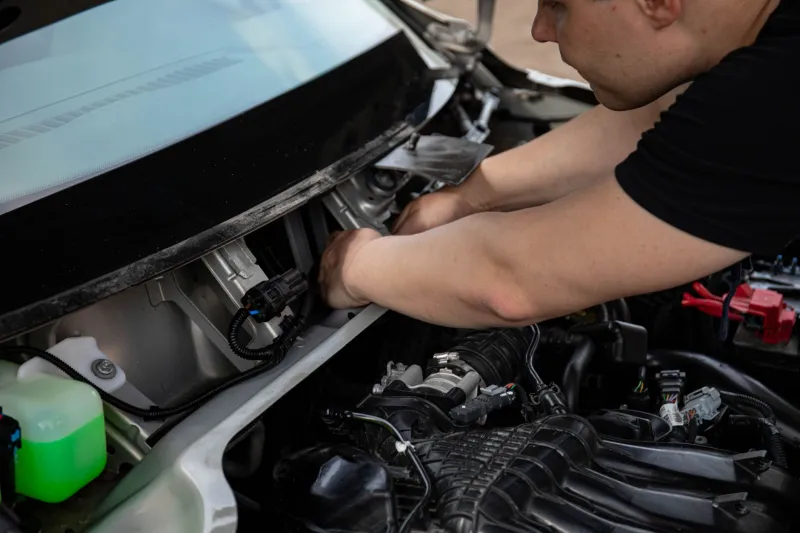
There is a quiet satisfaction that comes from maintaining your own vehicle. For Hyundai owners across the United States, performing basic upkeep between dealership visits is not only practical—it can translate into meaningful savings over the life of the car. Yet enthusiasm without knowledge can lead to costly errors, voided warranty protections, or, in serious cases, safety risks.
At Hyundai Ngo Can 5S, we believe informed ownership is the foundation of a rewarding driving experience. This guide is designed to help you identify which maintenance tasks are genuinely within reach for a careful, attentive owner, and which ones require the specialized tools and training that only a certified service center can provide.
Understanding Your Warranty Before You Pick Up a Wrench
Before diving into any DIY project, it is worth understanding how Hyundai's warranty interacts with owner-performed maintenance. The Magnuson-Moss Warranty Act, a federal law, generally prohibits manufacturers from voiding a warranty simply because an owner performed their own maintenance—provided that work was done correctly and with appropriate parts.
However, there are important nuances. If a DIY repair is performed incorrectly and directly causes a subsequent failure, Hyundai may decline to cover that failure under warranty. Keeping detailed records of every task you perform—including receipts for parts, dates, and mileage—is essential. Use only parts that meet Hyundai's OEM specifications, and when in doubt, consult your owner's manual or speak with a service advisor at your local Hyundai dealership.
Tasks Most Hyundai Owners Can Safely Handle
Engine Air Filter Replacement
Replacing the engine air filter is one of the most accessible maintenance tasks available to Hyundai owners. A clogged filter reduces engine efficiency, affects fuel economy, and can strain the engine over time.
What you'll need: A new OEM-spec air filter, a flathead screwdriver, and roughly ten minutes.
How to do it:
- Open the hood and locate the air filter housing—typically a black plastic box near the front of the engine bay.
- Unclip or unscrew the housing cover. Most Hyundai models use simple clips or a few screws.
- Remove the old filter and note the direction it was seated.
- Wipe out any debris from inside the housing with a clean cloth.
- Insert the new filter in the correct orientation and secure the housing.
Common mistake to avoid: Installing the filter upside down or failing to fully reseat the housing cover, which can allow unfiltered air into the engine.
Cabin Air Filter Swap
The cabin air filter is responsible for cleaning the air that flows through your Hyundai's HVAC system. A neglected filter leads to reduced airflow, unpleasant odors, and diminished air quality inside the cabin—an issue particularly relevant for allergy sufferers.
On most Hyundai models, including the Elantra, Tucson, and Santa Fe, the cabin air filter is located behind the glove box. Access typically involves opening the glove box fully, pressing the side panels inward to release the stops, and lowering the door to reveal the filter housing.
Replacement interval: Hyundai generally recommends replacing the cabin air filter every 15,000 to 30,000 miles, though owners in dusty or high-pollen regions of the country—think Phoenix, Arizona, or rural Texas—may need to replace it more frequently.
Common mistake to avoid: Purchasing the wrong filter size. Always cross-reference the part number in your owner's manual or confirm compatibility at the parts counter of your Hyundai dealership.
Engine Oil and Filter Change
For mechanically inclined owners, changing your own engine oil is a tangible way to stay close to your vehicle's health. Hyundai vehicles, depending on the model and engine, may require conventional, synthetic blend, or full synthetic oil. Consult your owner's manual for the correct viscosity and oil type before purchasing supplies.
What you'll need: The correct oil and filter, a drain pan, a socket wrench, an oil filter wrench, and jack stands if your vehicle sits low.
Basic process:
- Warm the engine briefly, then turn it off and allow it to cool slightly.
- Safely raise and support the vehicle if needed.
- Locate the drain plug beneath the engine and position your drain pan.
- Remove the drain plug and allow the old oil to fully drain.
- Replace the drain plug with a new washer if applicable.
- Remove the old oil filter and install the new one, applying a thin film of fresh oil to the gasket.
- Refill with the correct amount and grade of oil through the fill cap on top of the engine.
- Run the engine briefly, check for leaks, and confirm the oil level on the dipstick.
Common mistake to avoid: Overtightening the drain plug or oil filter, which can strip threads or crack the filter housing. Snug is sufficient—consult your service manual for torque specifications.
Windshield Wiper Blade Replacement
This is perhaps the simplest maintenance task on the list. Wiper blades typically need replacement every six to twelve months, and most auto parts retailers offer blades specifically sized for each Hyundai model. The process involves lifting the wiper arm, pressing a release tab on the blade, sliding it off, and snapping the new blade into place.
Battery Terminal Cleaning
Corrosion on battery terminals can cause starting issues and affect electrical performance. A mixture of baking soda and water, applied with an old toothbrush and rinsed clean, can remove buildup effectively. Always disconnect the negative terminal first and reconnect it last.
Where DIY Ends and Professional Service Begins
Knowing what not to attempt is just as important as knowing what you can handle. The following tasks should be left to certified Hyundai technicians.
Brake System Service
While replacing brake pads is within the ability of experienced home mechanics, the brake system as a whole—including calipers, rotors, brake lines, and ABS components—demands precision and specialized tools. Errors in brake service can have life-threatening consequences, and improper work here is a clear path to warranty complications.
Transmission Service
Hyundai's modern transmissions, including the dual-clutch units found in many current models, require specific fluid types, precise fill levels, and often proprietary diagnostic tools to service correctly. Attempting this work without proper equipment can cause irreversible damage.
Suspension and Steering Components
Replacing struts, control arms, or steering rack components requires alignment equipment that no home garage possesses. Improperly serviced suspension affects handling, tire wear, and safety.
Engine and Powertrain Diagnostics
When a warning light illuminates on your instrument cluster, resist the urge to clear the code with a generic OBD-II reader and move on. Many codes require Hyundai's GDS diagnostic software to interpret accurately. Misdiagnosis leads to unnecessary parts replacement and missed root causes.
Timing Belt or Chain Service
This is a job that demands professional hands. A timing component failure can destroy an engine entirely, and the procedure requires engine disassembly that is far beyond the scope of basic DIY maintenance.
A Final Word on Staying Informed
The most effective Hyundai owners are those who stay engaged with their vehicle's needs without overstepping their own capabilities. Use your owner's manual as your primary reference, keep your service records organized, and build a relationship with your local Hyundai service center. When DIY and professional service work in concert, the result is a vehicle that performs reliably, retains its value, and remains protected under warranty.
At Hyundai Ngo Can 5S, we are committed to helping you get the most from every mile. Whether you are picking up a wrench for the first time or scheduling your next service appointment, our team is here to support every step of your ownership journey.